Quick answer
Monument Valley requires advance preparation for its remote desert location and unpaved roads. The park opens daily from 6:00 AM to 7:00 PM with a $10 per-person entrance fee collected at the gate. Cell service is limited throughout the park, the 17-mile scenic loop is unpaved dirt and requires high-clearance vehicles in wet conditions, and summer temperatures regularly exceed 100°F with no shade.
Monument Valley receives roughly 400,000 visitors each year, yet fewer than half venture beyond the paved visitor center overlook. The gap between those numbers reflects a simple reality: the park's 17-mile Valley Drive is an ungraded dirt road that becomes impassable mud after rain and corrugated washboard in dry stretches. The Navajo Nation manages the park independently from the National Park Service, which means Annual America the Beautiful passes are not accepted and park regulations follow tribal jurisdiction. Photography of Navajo residents requires explicit permission and monetary compensation. Drone use is prohibited entirely. The scenic drive is self-guided and open to private vehicles, though organized Navajo-guided tours reach restricted overlooks and cultural sites closed to independent travelers. These tours depart from the visitor center and typically last 90 minutes to three hours depending on route. Seasonal conditions dictate visit strategies more than personal preference. Summer brings extreme heat with no tree cover along the loop road, making early morning the only comfortable window for driving or hiking. Winter temperatures drop below freezing at night, and occasional snow transforms the red sand into slick clay. Spring sees the heaviest concentration of tour buses between March and May. Autumn offers the most stable weather and thinner crowds, though afternoon thunderstorms remain possible through September. Gas stations lie 24 miles north in Mexican Hat or 50 miles south in Kayenta. The visitor center sells bottled water and packaged snacks but no hot food. Tire repair services do not exist within the park boundary. A full fuel tank, physical cash for the entrance fee, downloaded maps, and at least one gallon of water per person are baseline requirements, not suggestions for cautious travelers.
“The park's 17-mile Valley Drive is an ungraded dirt road that becomes impassable mud after rain and corrugated washboard in dry stretches.”
Essential Photo Spots for Monument Valley Travel Tips
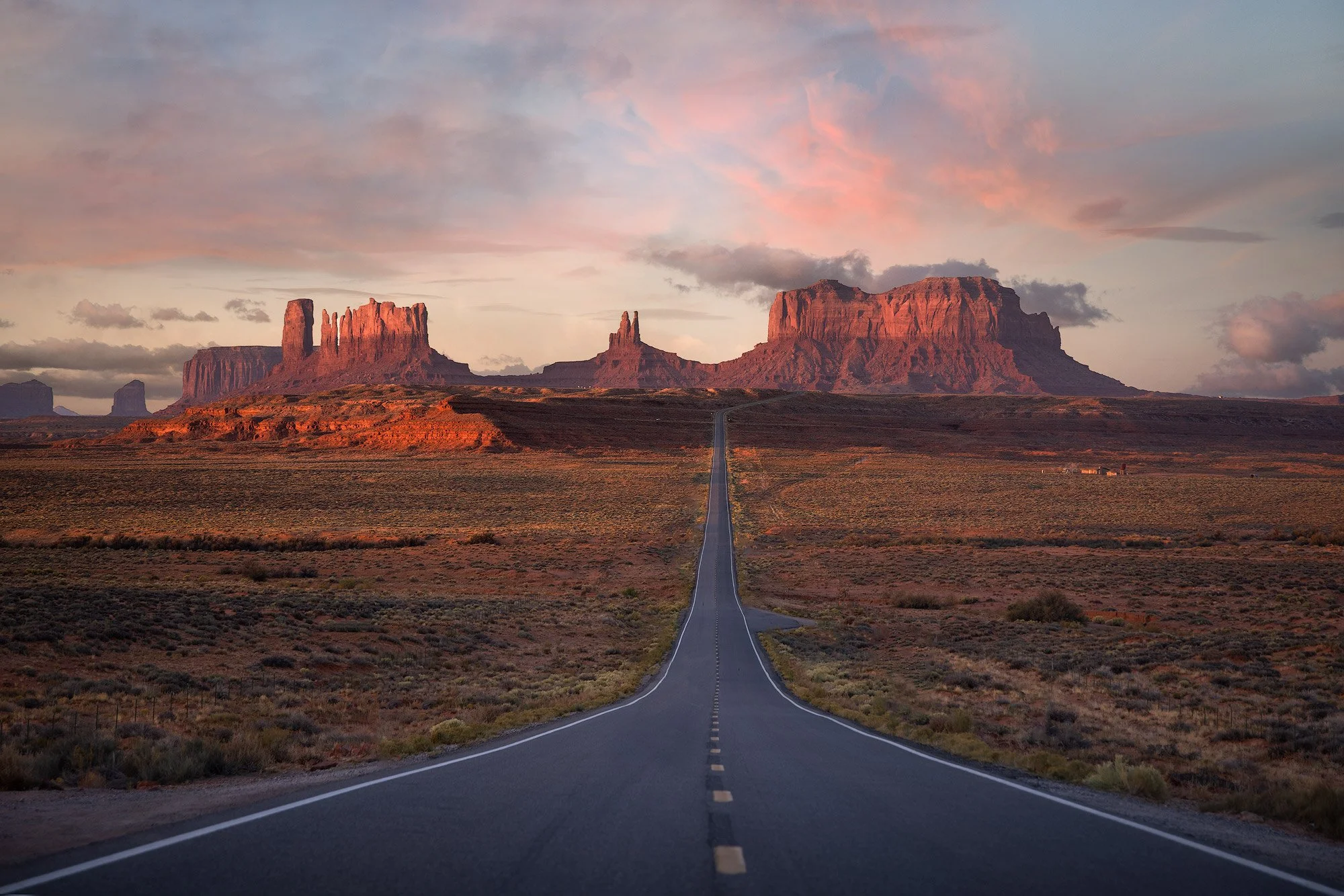
Forrest Gump Point
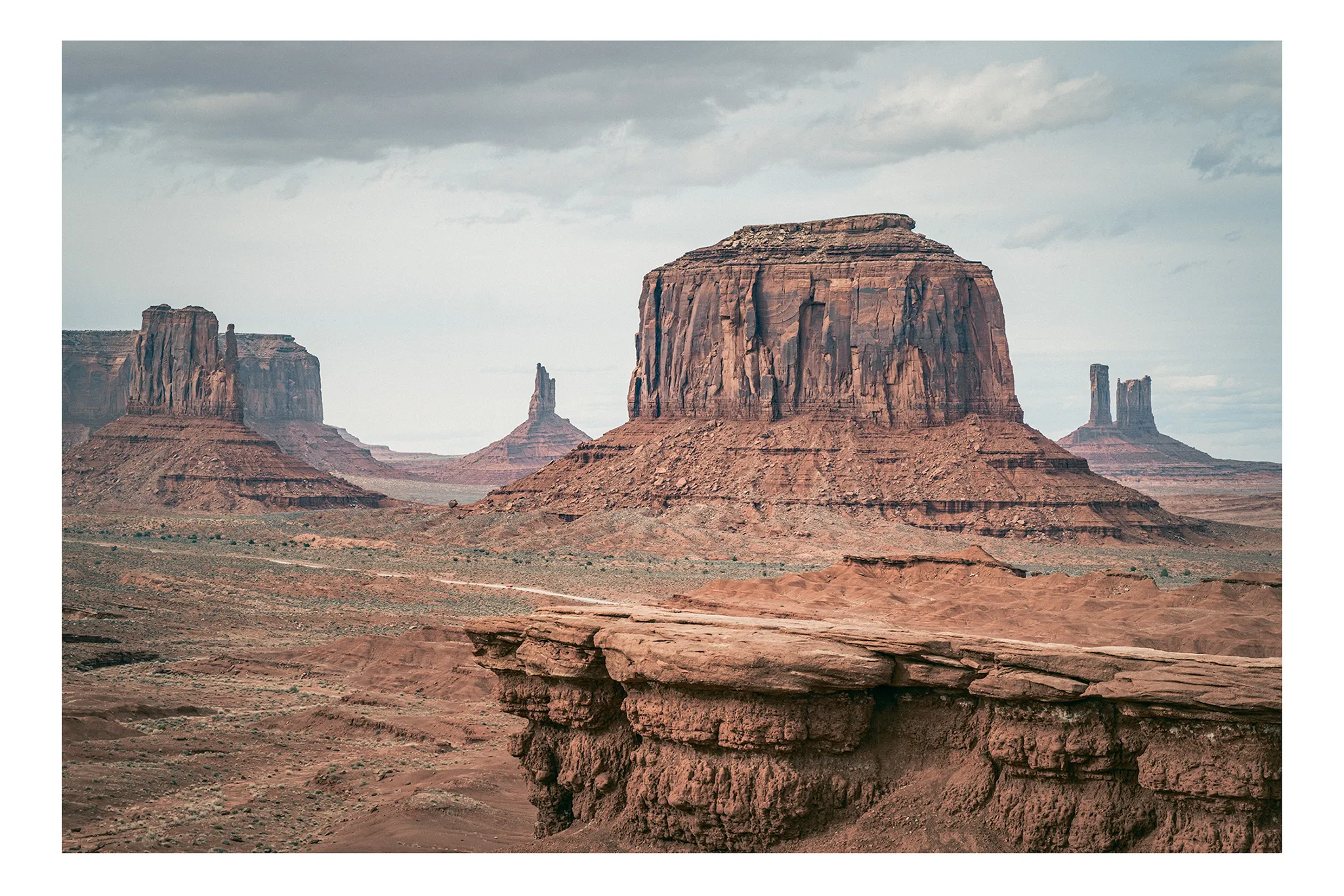
John Ford Point
This viewpoint offers a wide-angle perspective of the valley floor, frequently used in classic western films.
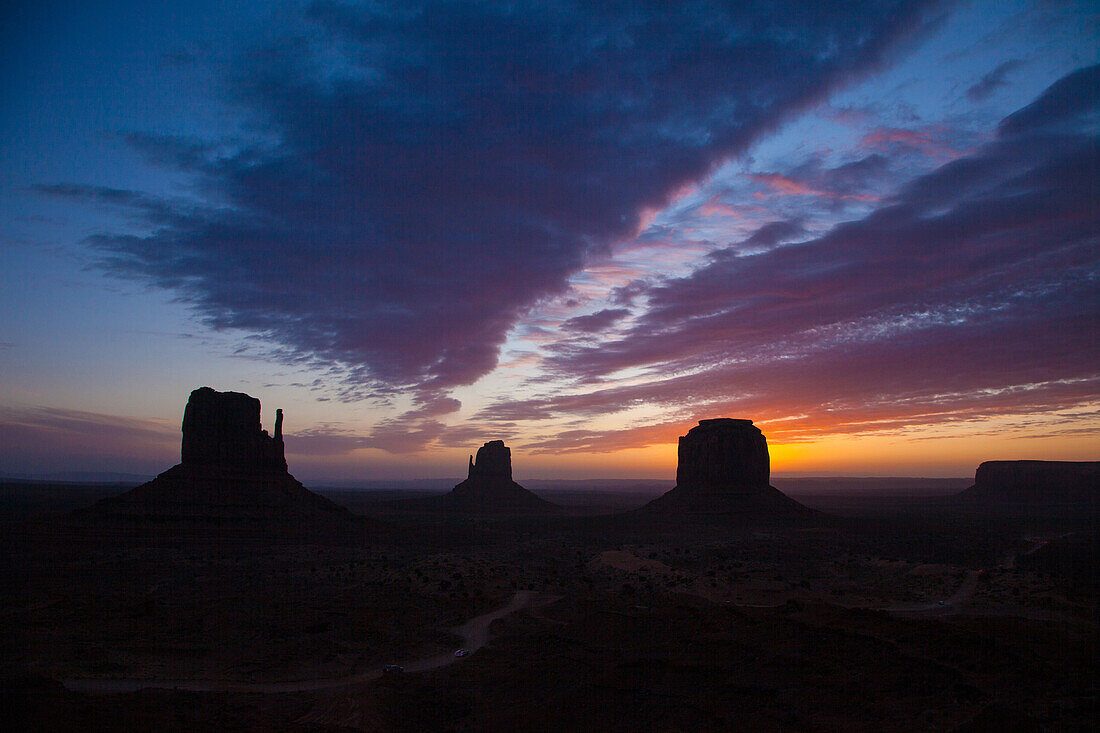
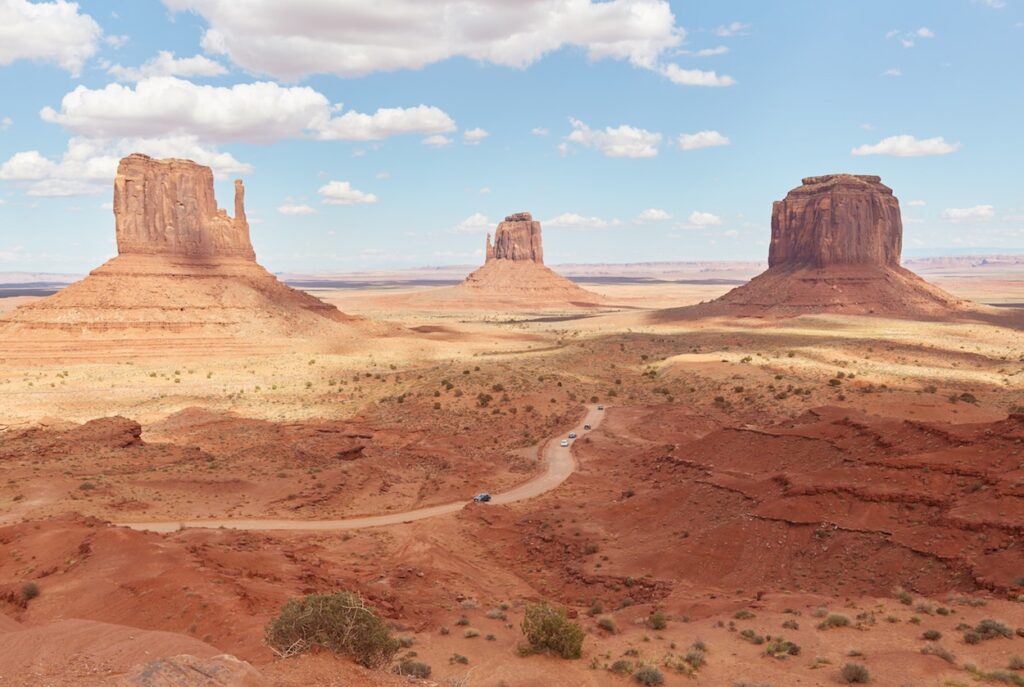
The Mittens Viewpoint
Located near the visitor center, this spot frames the iconic East and West Mitten Buttes side by side.
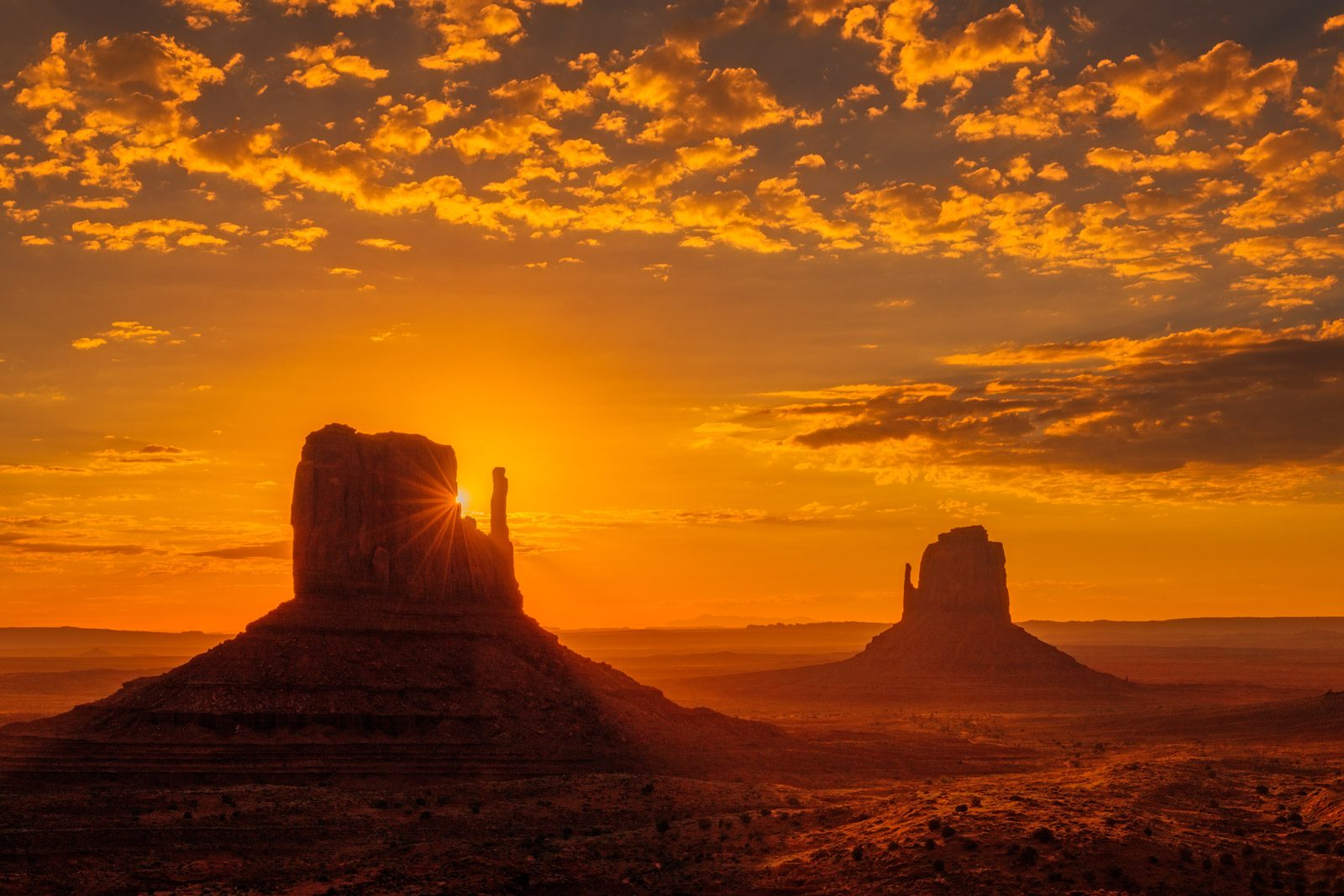
Artist's Point
Positioned at the end of the Valley Drive loop, this location provides a panoramic view of the entire valley landscape.
Common Mistakes to Avoid With Monument Valley Travel Tips
Monument Valley's scale and cultural significance catch many visitors off guard. Avoid these common errors to respect the land and make the most of your visit.
Wandering off the marked road without a Navajo guide
The 17-mile Valley Drive is self-guided, but hiking or driving off-road requires a permitted Navajo guide. Straying from the route violates tribal law and damages sacred land.
Underestimating the loop drive time and distance
The Valley Drive is 17 miles of unpaved road that takes 2-3 hours minimum, not a quick photo stop. Budget extra time for pullouts and bring water, especially in summer heat.
Photographing Navajo people or their homes without permission
Residents and their property are not part of the park experience. Always ask before photographing individuals, and expect that some may decline or request a tip.
Ignoring weather and road conditions before entering
Summer thunderstorms create flash flood risk and winter ice makes the dirt road impassable. Check conditions at the visitor center before committing to the drive.
Assuming cell service and nearby amenities
Monument Valley has no reliable cell coverage and limited services. Fill your tank in Kayenta or Mexican Hat, and carry food, water, and a physical map.
Preparation Checklist for Monument Valley Travel Tips
Prepare these essentials before your visit to ensure a smooth experience in Monument Valley.
-
Bring cash or card for the entrance fee — The $10 per-person fee is collected at the park entrance.
-
Pack water and snacks — No food services are available within the valley; temperatures reach extreme highs.
-
Wear sturdy closed-toe shoes — The 17-mile loop road and walking paths feature loose sand and uneven terrain.
-
Carry a valid ID — Required if you book a guided tour with Navajo operators.
-
Fuel your vehicle before arrival — The nearest gas stations are 20+ miles away in Kayenta or Mexican Hat.
-
Download offline maps — Cell service is unreliable throughout the Navajo Nation lands.