2 hr 30 min
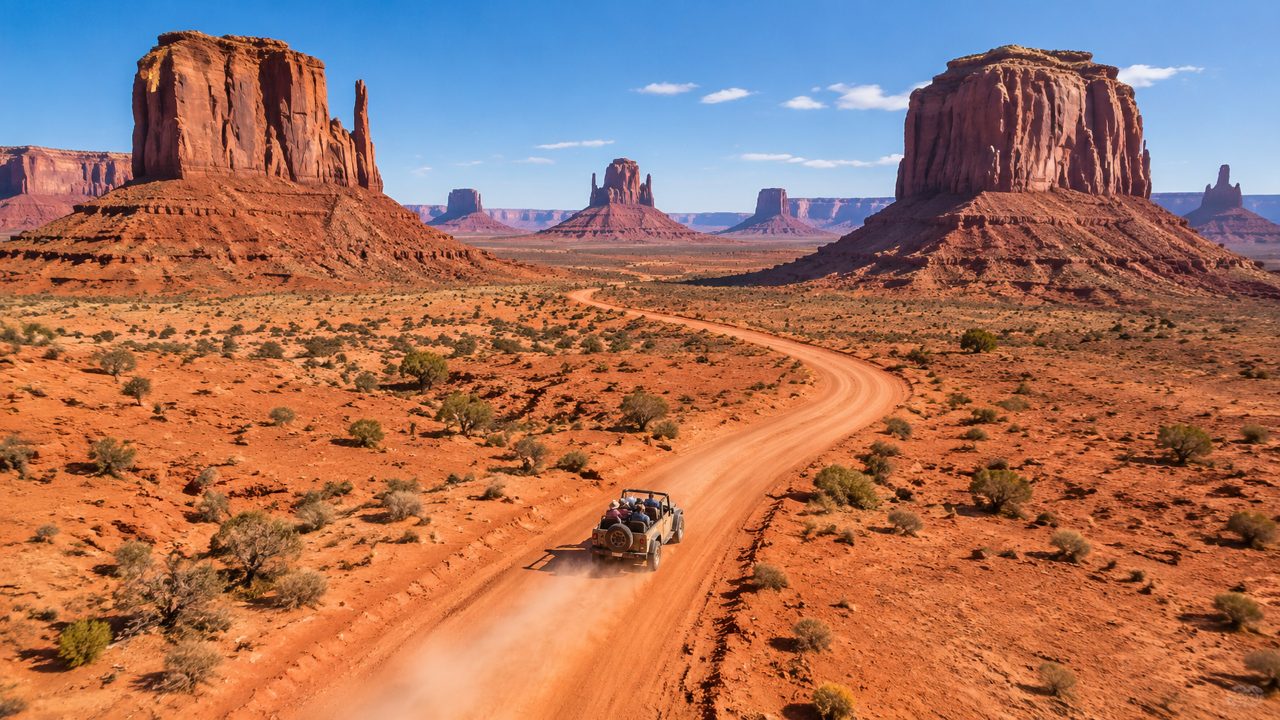
Monument Valley Backcountry Jeep Adventure with Navajo Guide
- Entry ticket
- Mobile voucher
- Valid same day
- Free cancellation
Monument Valley Tours — Navajo-Guided Jeep & Backcountry Access
Red sandstone spires and tribal land, where the only path deeper runs through Navajo guides
Compare fares, pick the fit — all bookings are mobile-voucher and eligible for free cancellation where shown.
2 hr 30 min
3 hr
2 hr 30 min
| Experience | Duration | Rating | Pickup | Guide | Small group | Free cancel. | Price | |
|---|---|---|---|---|---|---|---|---|
|
Standard Entry
Most popular
Monument Valley Backcountry Jeep Adventure with Navajo Guide
|
2 hr 30 min | ★ 4.8 | — | ✓ | ✓ | ✓ | €60 | Book → |
|
Standard Entry
Monument Valley Sunset Safari with Navajo Guide
|
3 hr | ★ 4.8 | — | ✓ | ✓ | ✓ | €69 | Book → |
|
Standard Entry
Monument Valley Backcountry Tour
|
2 hr 30 min | ★ 4.9 | ✓ | ✓ | ✓ | ✓ | €60 | Book → |
Worth it for cultural depth seekers
The $10 conservation fee grants self-drive access along the 17-mile Valley Drive loop, where you'll navigate sandstone monoliths and photograph iconic formations like the Mittens and Merrick Butte from designated pullouts. Monument valley tours—led by Navajo guides—cost $75–$150 per person and unlock restricted backcountry areas including Hunts Mesa, hidden arches, and ancient Hogan sites inaccessible to independent visitors. Guides share oral histories, geological context, and living traditions tied to the landscape, transforming the experience from scenic drive to cultural immersion. For photographers chasing unique vantage points or travelers seeking authentic Navajo perspectives beyond roadside overlooks, the premium pays off. Budget-conscious visitors satisfied with Valley Drive's self-guided route can skip guided excursions without missing the signature buttes, though they'll forfeit access to secluded sites and storytelling that contextualizes the sacred geography.
Bottom line: Guided monument valley tours justify the cost when cultural immersion and exclusive access matter more than budget alone.
Guided monument valley tours provide essential access to restricted backcountry areas, while the self-drive loop offers independent exploration of the iconic sandstone buttes. They complement each other; most visitors who do both call the guided Navajo-led excursion the more informative experience.
|
Top pick Guided Navajo Tours |
17-Mile Self-Drive | |
|---|---|---|
| Access to restricted areas | Included exclusively | None |
| Navajo cultural insights | In-depth narration provided | Not available |
| Vehicle requirements | High-clearance 4x4 often needed | Standard passenger vehicle sufficient |
| Flexibility | Fixed itinerary | Complete pace control |
| Cost | 10 USD fee plus tour price | 10 USD conservation fee |
| Photography opportunities | Access to backcountry arches | Public loop viewpoints only |
| See tickets & prices |
Verdict: Choose guided monument valley tours tickets for deep cultural context and private terrain, or select the self-drive monument valley tours tour for a solitary experience along the main valley landmarks.
Hand-picked experiences loved by thousands of travelers
3.5 hours
Free Cancellation
Venture beyond public roads into sacred landscapes with a local guide and cultural performance
3 hours
Free Cancellation
Watch the desert light up at golden hour on a guided off-road journey through iconic formations.
3 hours
Free Cancellation
Begin your day watching dawn break over iconic desert formations with a local Navajo guide
30 minutes to 1 hour
Free Cancellation
Ride through sacred Navajo lands on a guided trail exploring iconic desert formations and mesas
3.5 hours
Free Cancellation
Explore iconic rock formations and Navajo heritage on this immersive backcountry expedition
7 hours
Free Cancellation
Explore two sacred valleys with a Navajo guide through backcountry trails, ancient ruins, and living traditions.
3 days
Free Cancellation
Journey through America's most stunning desert landscapes on this guided three-day adventure from Las Vegas
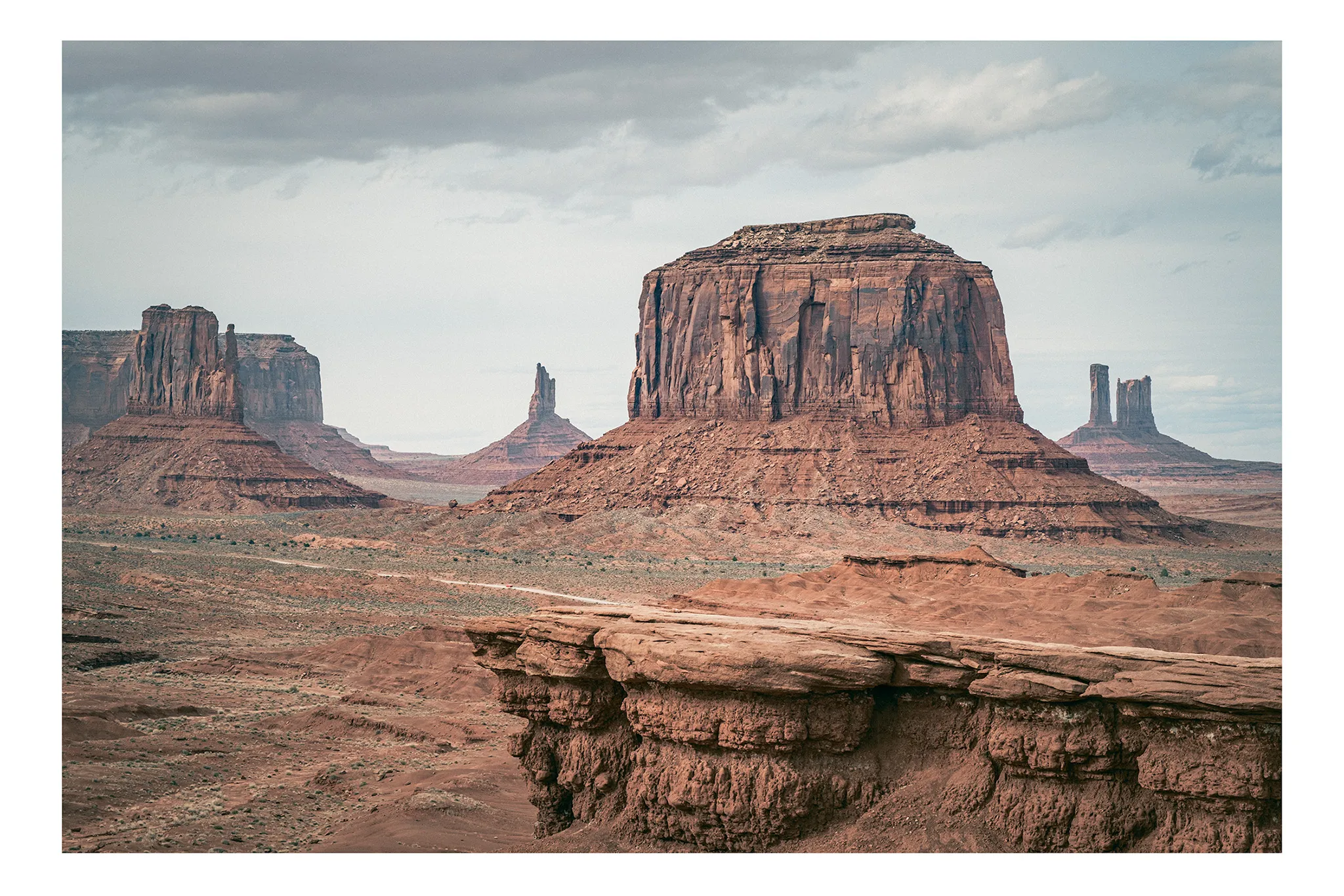
The iconic silhouette is one of the most photographed formations in the park, standing nearly 1,000 feet tall.
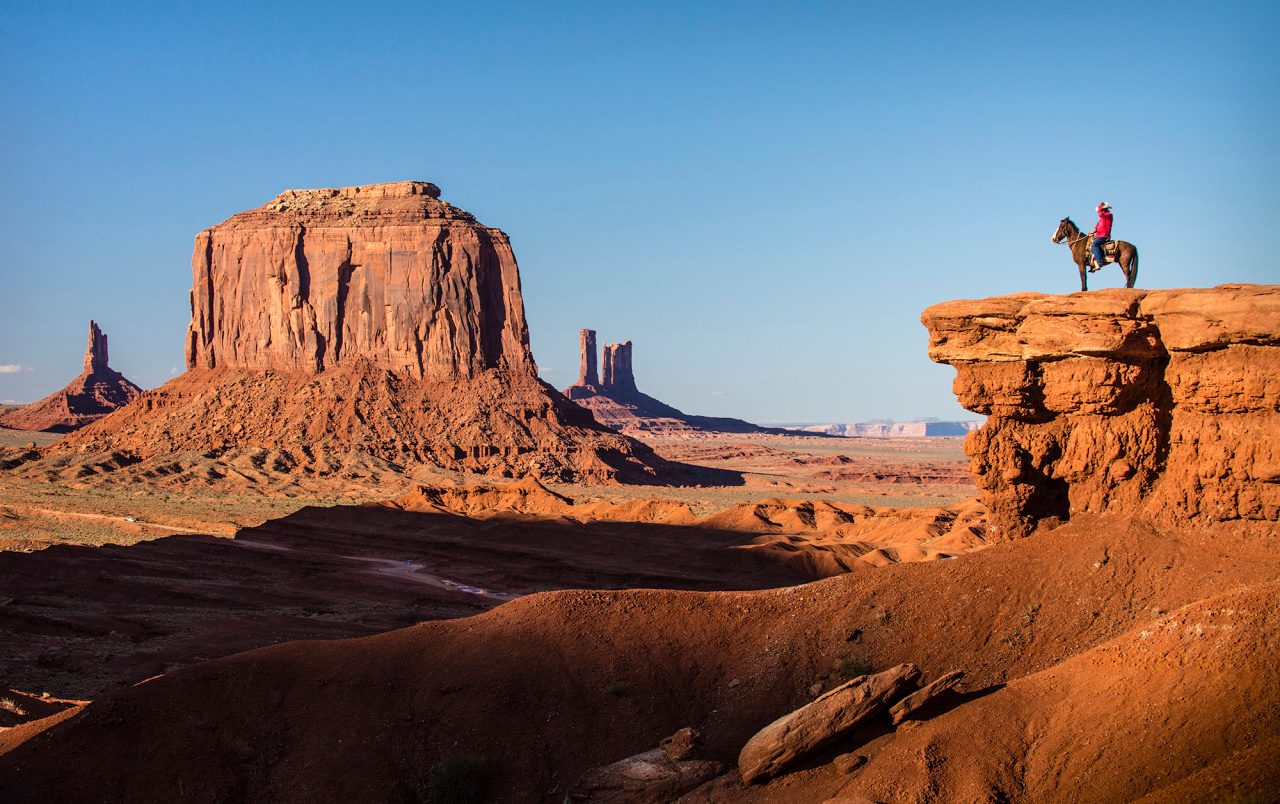
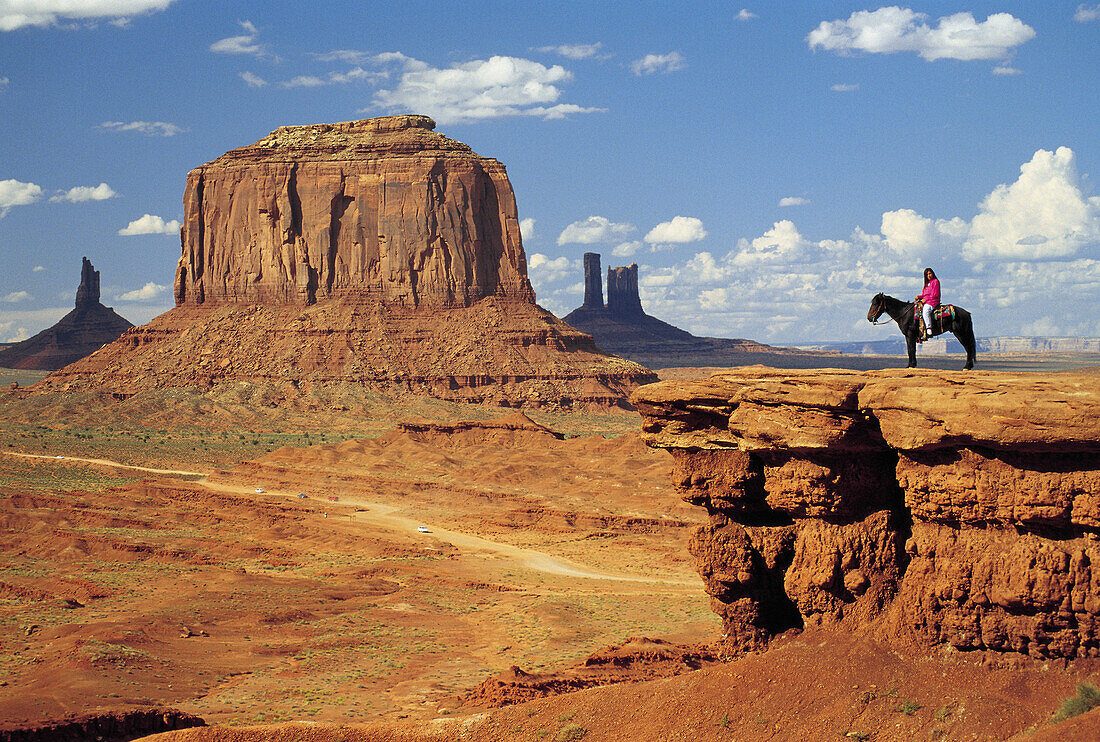
Named after the famous director, this spot offers a panoramic view used in many classic films.
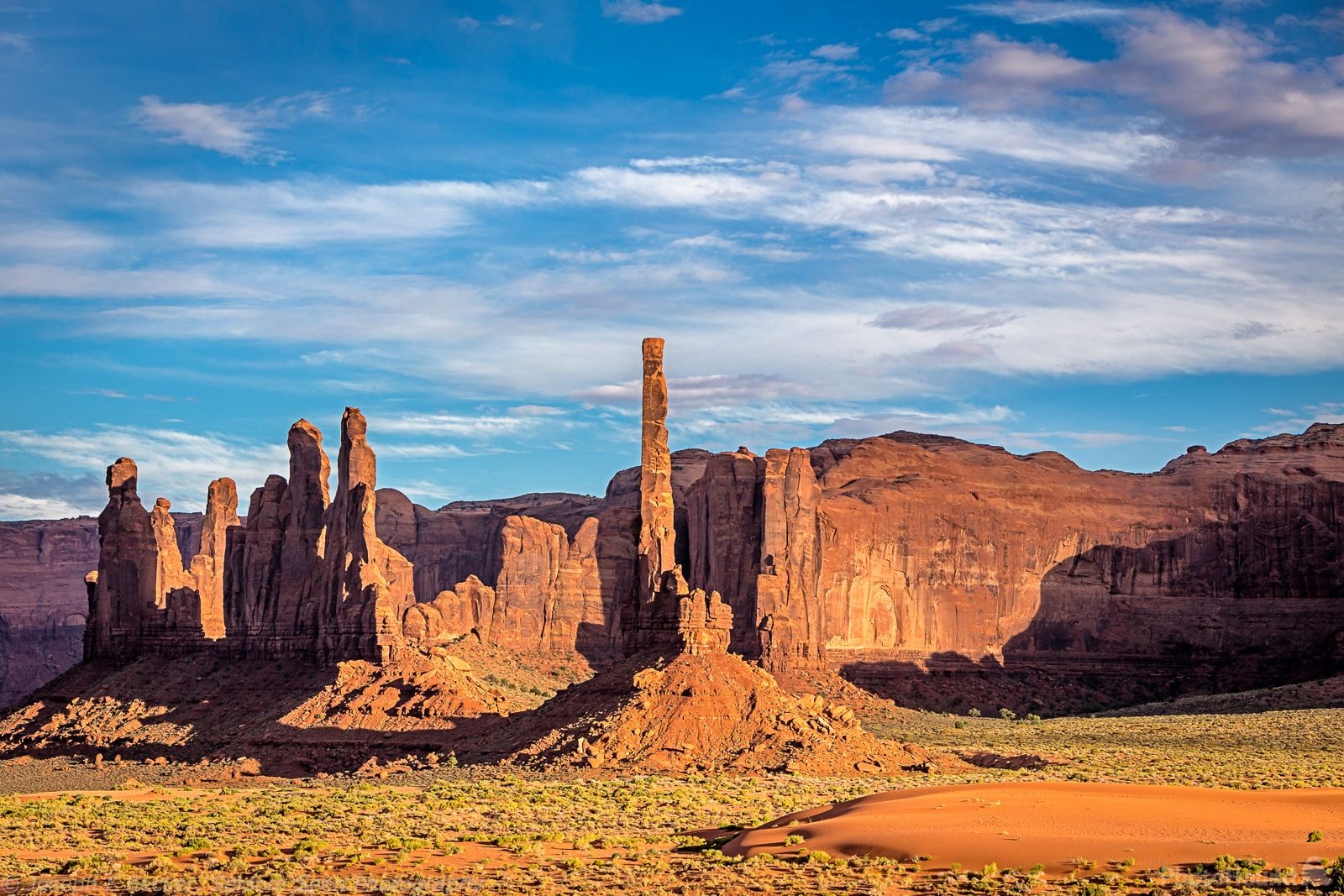
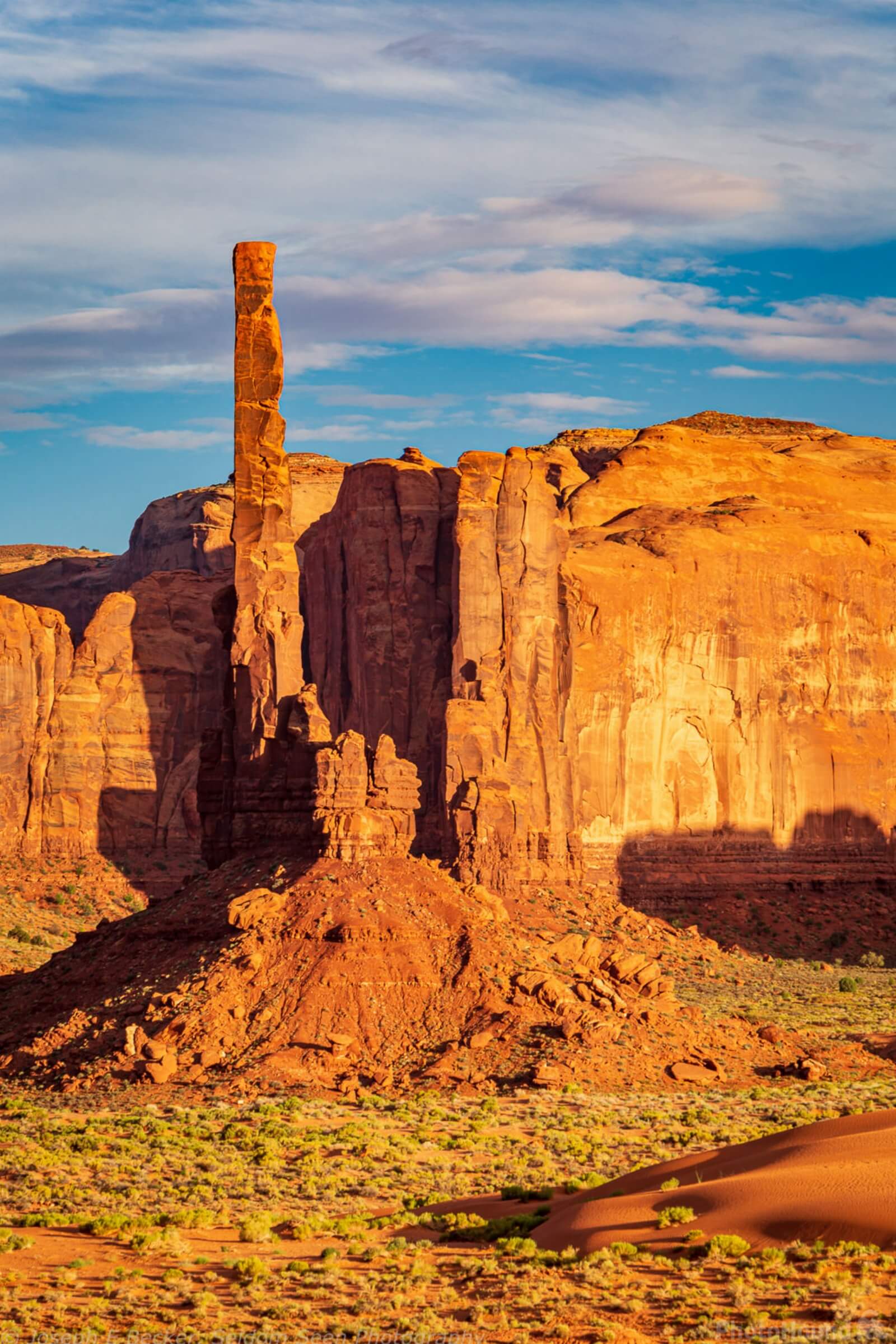
This slender, 500-foot-tall sandstone spire is a masterpiece of natural erosion.
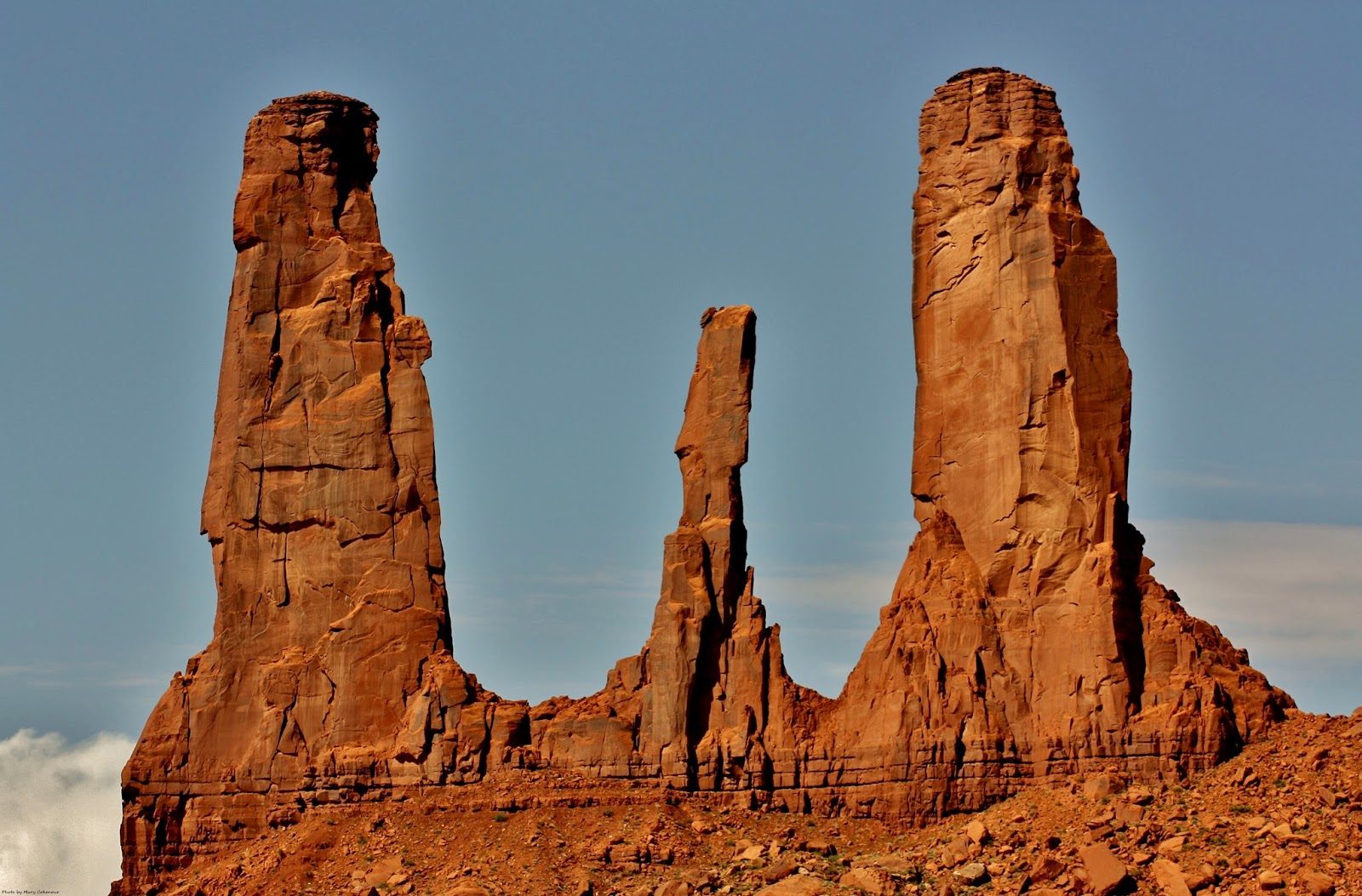
Three distinct rock pillars that appear to stand together as a group in the vast desert.
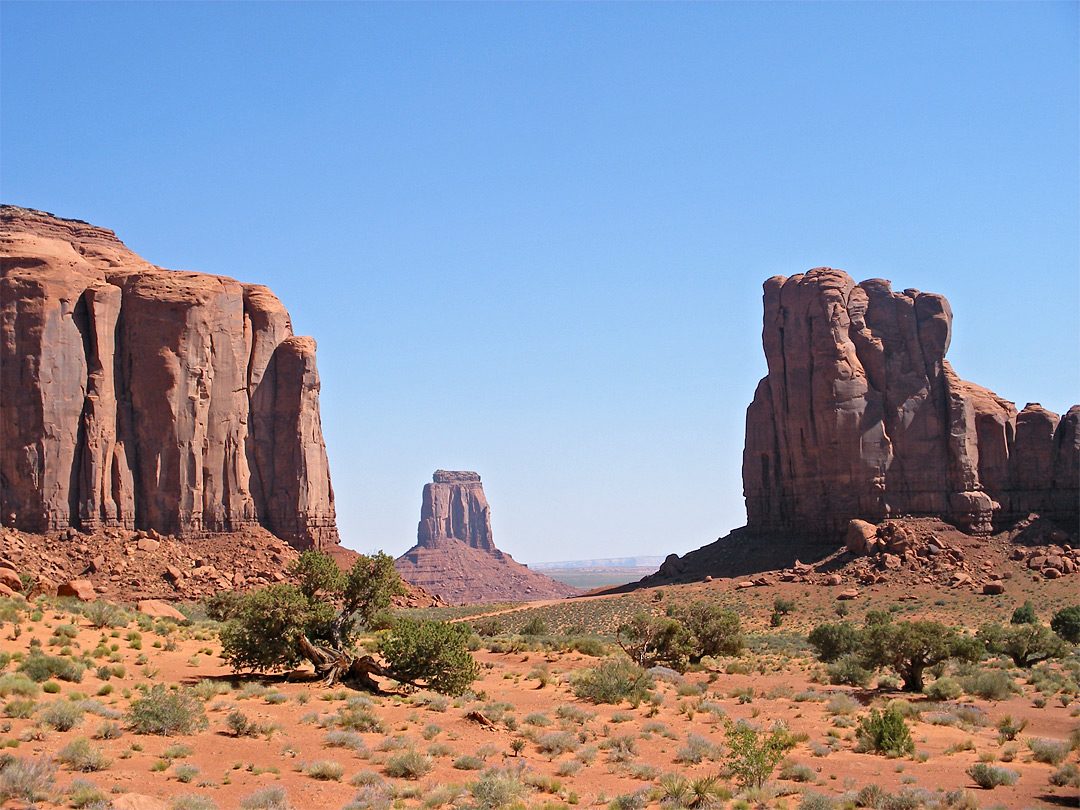
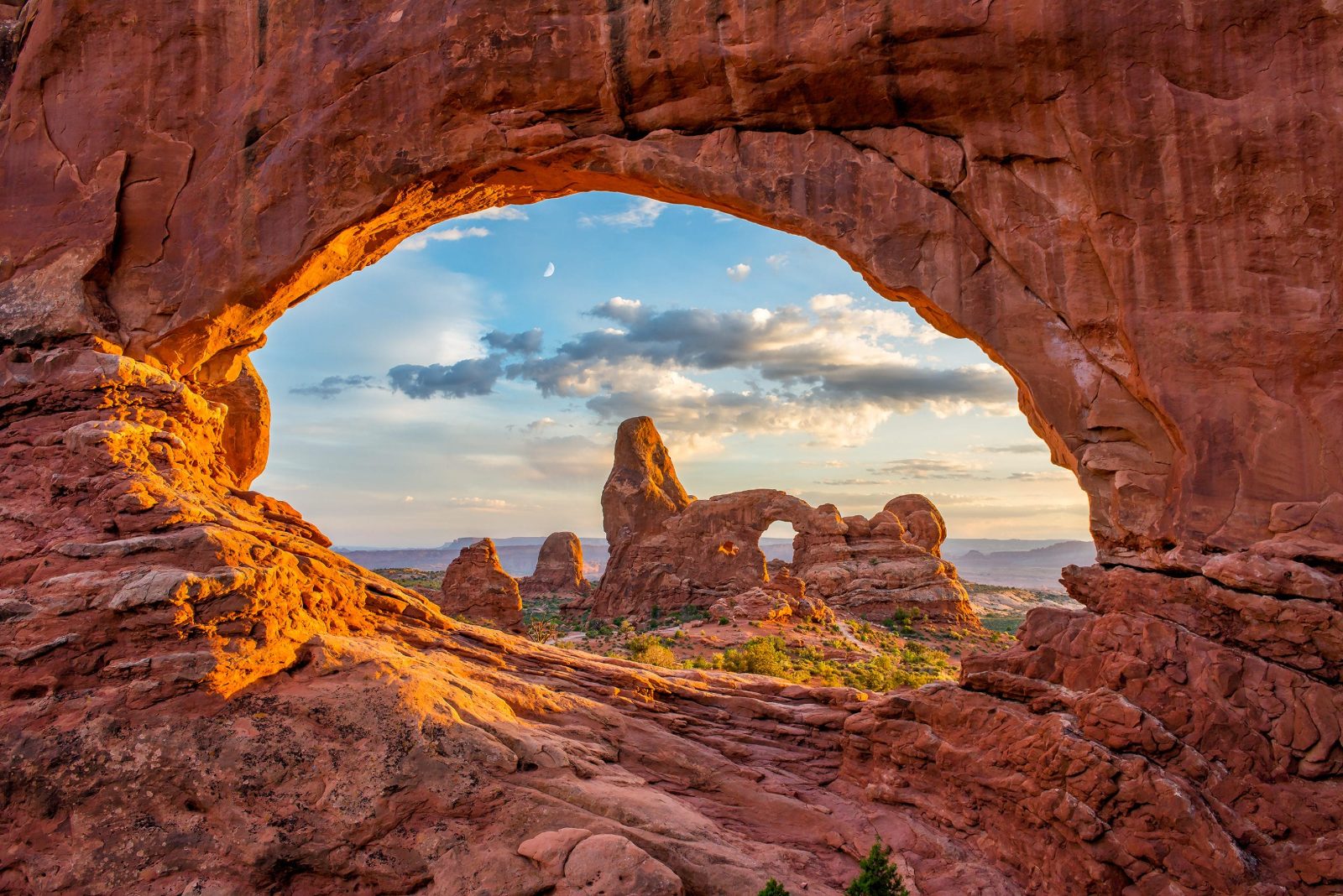
A unique formation that frames a view of the desert landscape like a natural desert window.
All the details about your upcoming adventure in one place
Monument valley tours bring you deep into the Navajo Tribal Park, where towering sandstone buttes and mesas rise from the desert floor. Guided monument valley tours tour the backcountry along unpaved roads accessible only with a Navajo permit, visiting iconic formations like the Mittens, Totem Pole, and John Ford Point. Your Navajo guide shares traditional stories, cultural insights, and geological context that transform the landscape into a living narrative.
The 91,696-acre Monument Valley Navajo Tribal Park straddles the Arizona-Utah border within the 27,000-square-mile Navajo Nation, the largest Indigenous reservation in the United States.
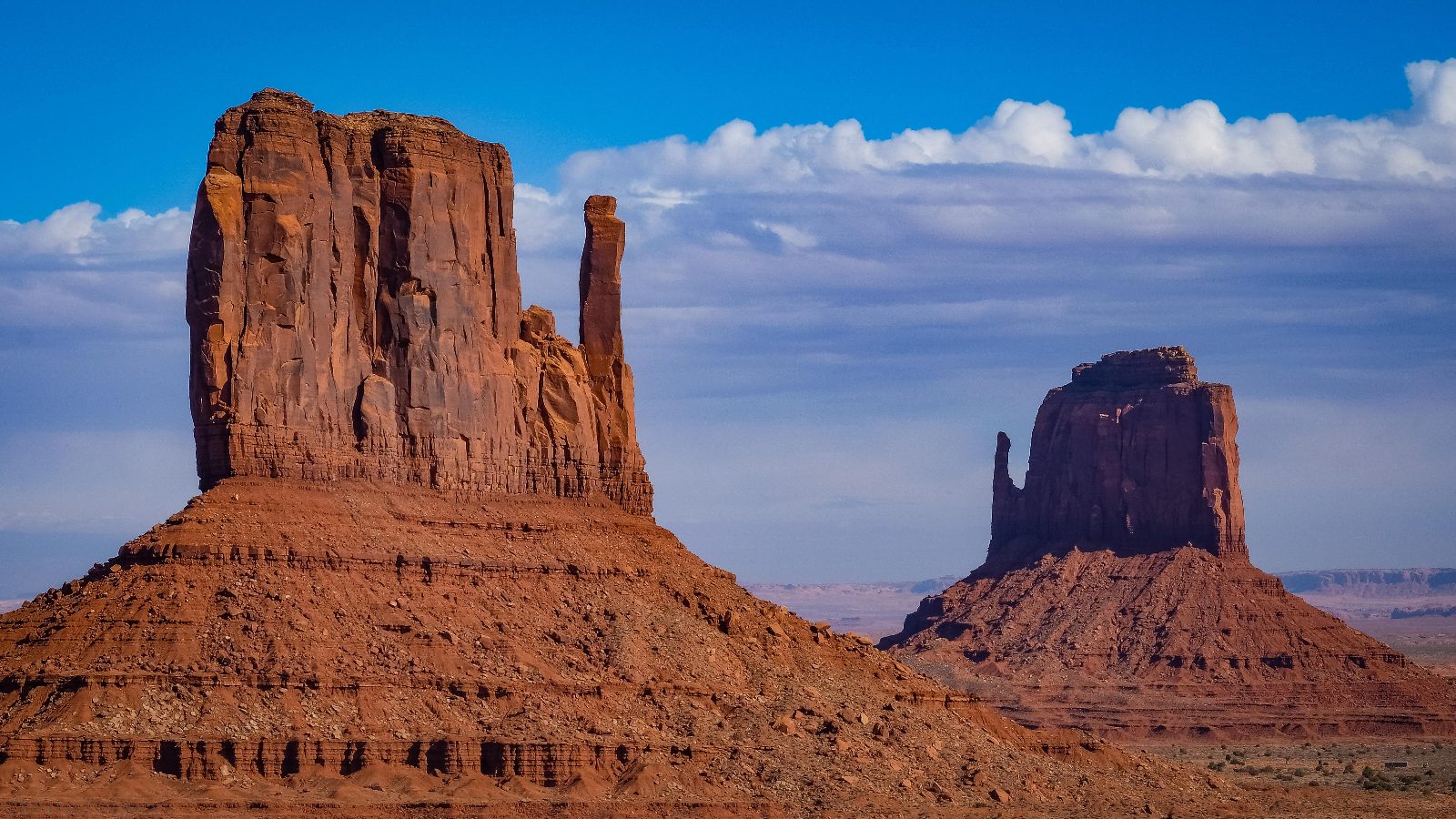
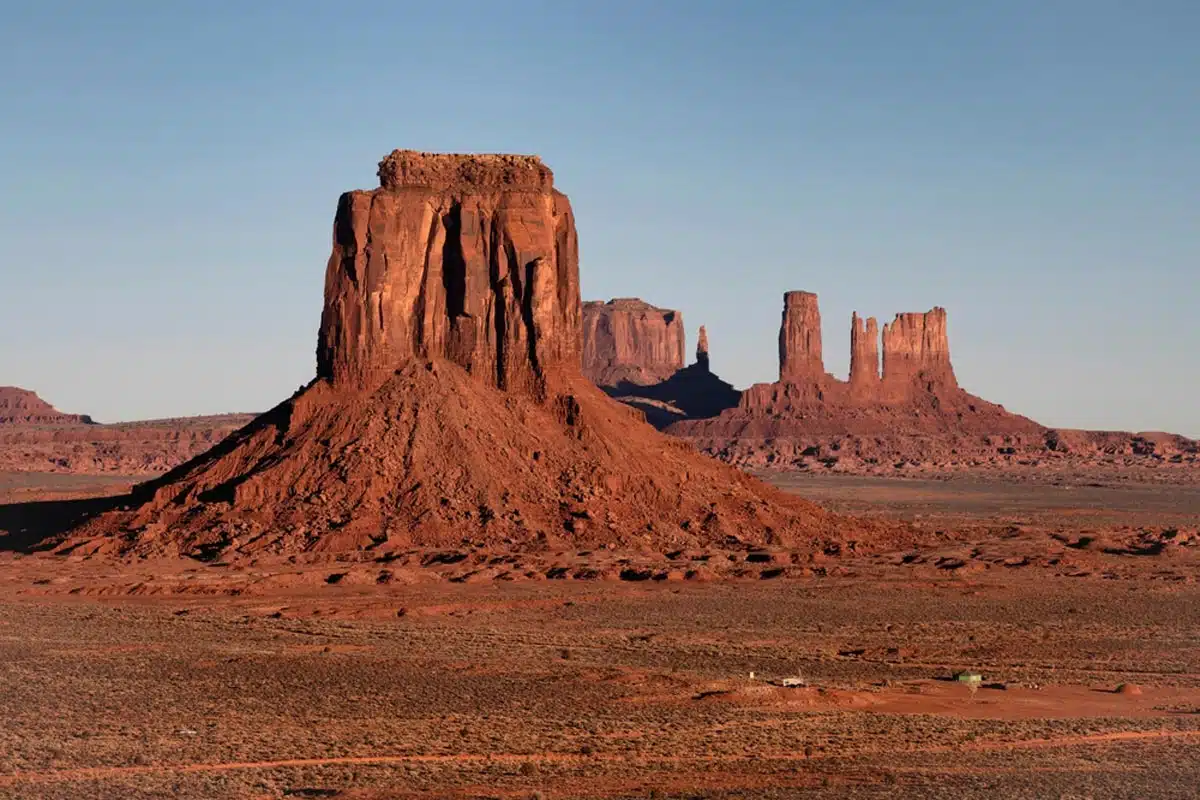
The valley's iconic buttes—Merrick Butte rises 300 feet, East and West Mitten Buttes stand 400 feet—are remnants of a sandstone plateau that eroded over 50 million years, leaving freestanding towers of De Chelly sandstone atop Organ Rock shale. John Ford's 1939 film Stagecoach introduced these formations to global audiences; nine Ford Westerns followed, cementing the valley as the visual shorthand for the American frontier. Yet Monument Valley remains Navajo land, managed since 1958 under tribal jurisdiction rather than the National Park Service, and access beyond the 17-mile Valley Drive requires a Navajo guide.
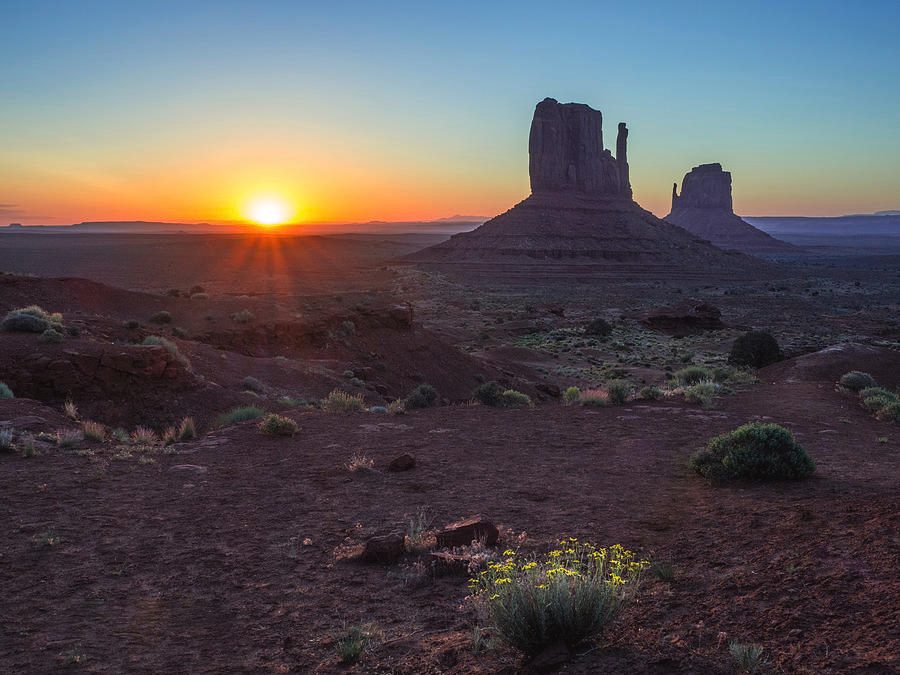
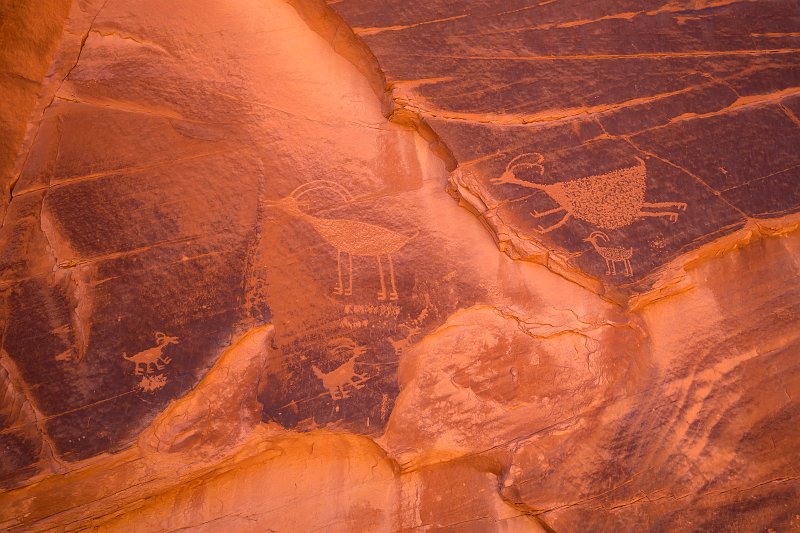
Monument Valley tours from Flagstaff, Page, Las Vegas, and Sedona converge at the visitor center on U.S. 163, where the $10 conservation fee grants entry to the self-drive loop but not the backcountry. Guided Monument Valley tours unlock restricted zones: Mystery Valley's Anasazi ruins, Hunts Mesa's 360-degree panorama at sunrise, and the Ear of the Wind arch. Navajo operators—many multi-generation families—conduct Monument Valley jeep tours in open-air vehicles, pausing at weaving demonstrations and ancestral hogans. Monument Valley tours reviews on TripAdvisor and Reddit consistently rank sunrise and sunset departures highest, when low-angle light ignites the iron oxide strata into bands of crimson, ochre, and violet.
The Tribal Park designation protects not only geology but living culture. Approximately 30 Navajo families reside within the valley, herding sheep and hosting visitors in traditional dwellings. Tours narrate Diné cosmology: the formations are Earth Surface People, protectors placed by the Holy People. Rain God Mesa, Totem Pole (a 300-foot spire), and the Three Sisters cluster hold ceremonial significance. Monument Valley tours from Goulding's Lodge and The View Hotel depart steps from the rim; tours from Las Vegas span 10 hours with Monument Valley as the centerpiece of a broader Colorado Plateau circuit. The valley's remoteness—four hours from Flagstaff, five from Las Vegas—remains integral to its power. No guardrails, no paved overlooks beyond the visitor center terrace. Just 200 miles of red desert, wind-shaped rock, and the long shadow of the Mittens at dusk.
The valley's iconic buttes are remnants of a sandstone plateau that eroded over 50 million years, leaving freestanding towers of De Chelly sandstone atop Organ Rock shale.
Full refunds are typically available for monument valley tours if canceled within the operator's specified window. Ensure your reservation includes the 10 USD conservation fee if applicable.
Weather · crowds · average price — dots go green to amber to red as each metric rises.
March–May features mild temperatures and desert blooms. Excellent for photography with soft light and moderate crowds.
June–August offers long daylight hours, but expect heat and potential monsoon storms. Best to arrive early.
September–November is the peak season for comfortable weather. Crisp mornings provide clear views of the famous silhouettes.
December–February is cold and quiet. Occasional snow creates dramatic contrast against the red sandstone.
Arrive during the 06:00–09:00 window to capture the best light for monument valley tours photography. This early start also helps you beat the midday heat and peak crowds.
Book a licensed Navajo guide for deeper access to restricted areas. Many remote landmarks on monument valley tours are only reachable with local, professional outfitters.
Stay on designated paths and never touch or climb on ancient rock formations. Your respect helps preserve the site for the Navajo community.
Always check local reports before entering the scenic loop, especially in late summer. Monsoon conditions can trigger flash floods and sudden, park-wide closures.
Fill your fuel tank in nearby Kayenta or Mexican Hat before entering the park. Services are limited once you are inside the tribal park area.
Verify if your chosen monument valley tours include the conservation fee. Remember, standard National Park passes are not accepted here.
Monument Valley's towering sandstone buttes rose from ancient seabed deposits laid down 270 million years ago during the Permian period. Layers of red siltstone and shale accumulated across what would become the Colorado Plateau, then uplifted and fractured as tectonic forces reshaped the region. Wind and water carved the softer rock away over millennia, leaving isolated mesas and spires—the Mittens, Merrick Butte, and Totem Pole—that define the valley today. The Navajo people, or Diné, arrived in the Four Corners region between 1400 and 1500 CE, integrating the valley into their spiritual landscape. They named it Tsé Biiʼ Ndzisgaii, "valley of the rocks," and wove its formations into origin stories and ceremonial practice. By the mid-19th century, Monument Valley lay within the boundaries of the Navajo Nation, formalized through treaty negotiations and later expanded. Hollywood discovered the valley in 1938 when director John Ford scouted locations for Stagecoach, released the following year. Ford returned repeatedly, filming My Darling Clementine in 1946 and The Searchers in 1956, both starring John Wayne. These westerns fixed Monument Valley in the global imagination as the archetypal American frontier, though the films rarely acknowledged Navajo presence or employed Diné actors in substantive roles. The Navajo Tribal Council formalized monument valley tours in 1958, establishing a permit system and visitor guidelines to protect sacred sites while generating revenue. In 1960, the tribe opened a visitor center near the valley entrance, and by the 1970s, Navajo-guided monument valley tours had become the primary access model, replacing unregulated backcountry travel. Today, the Navajo Nation Parks and Recreation Department manages Monument Valley Tribal Park, maintaining the 17-mile loop road and licensing tour operators. The valley remains home to Navajo families who continue traditional shepherding and weaving, living among formations that have anchored their culture for six centuries.
Permian seabed deposits form the sandstone and siltstone layers that will become Monument Valley's buttes and mesas.
Navajo people arrive in the Four Corners region and integrate the valley into their spiritual and ceremonial landscape.
Treaty of Bosque Redondo establishes the Navajo reservation, which later expands to include Monument Valley.
John Ford's Stagecoach premieres, introducing Monument Valley to global audiences as the iconic western landscape.
Navajo Tribal Council formalizes visitor permits and monument valley tour guidelines to protect sacred sites and manage access.
Navajo Nation opens the first visitor center near the valley entrance, establishing infrastructure for guided tours.
Navajo-operated tour companies expand offerings, including backcountry access to sites closed to independent visitors.
Position your tripod near the cliff edge to capture the expansive vista where famous Western films were centered. This location provides the quintessential scale of the sandstone buttes against the wide desert sky.
Frame East and West Mitten Buttes from the visitor center terrace to achieve the classic silhouette composition. Using a telephoto lens helps compress the distance between the formations and the foreground desert floor.
Follow the dirt road to this elevated overlook for a panoramic perspective of the valley floor and its varied geological landmarks. This is an ideal location to utilize monument valley tours to reach remote vantage points during your desert landscape session.
Walk the short sandy trail to frame the towering monuments through the natural stone archway. This spot acts as a foreground element, creating a sense of depth that enhances your monument valley tours tour imagery.
Shoot this slender spire from the designated pull-off along the scenic loop to emphasize its verticality against the horizon. Securing monument valley tours tickets allows visitors access to these deeper sections of the park for superior composition.
Dining near the iconic red rock formations is primarily centered around the visitor amenities near our monument valley tours, with options ranging from casual park delis to seated resort dining. Visitors often plan their meals around the operating hours of these venues to ensure a smooth transition between their scenic desert excursions.
Located within The View Hotel, this is the only dining spot inside the park, offering plate-glass window views and a menu featuring traditional Navajo dishes alongside Southwestern American fare.;The View Deli
Everything you need to know for your journey
Photography is permitted, but drones and commercial filming require a special permit. Always be respectful during your monument valley tours.
No, pets are strictly prohibited at all Navajo Tribal Park locations, including on monument valley tours.
Bring plenty of water, sun protection, a hat, and sturdy shoes for your monument valley tours. The desert environment is harsh and requires preparation.
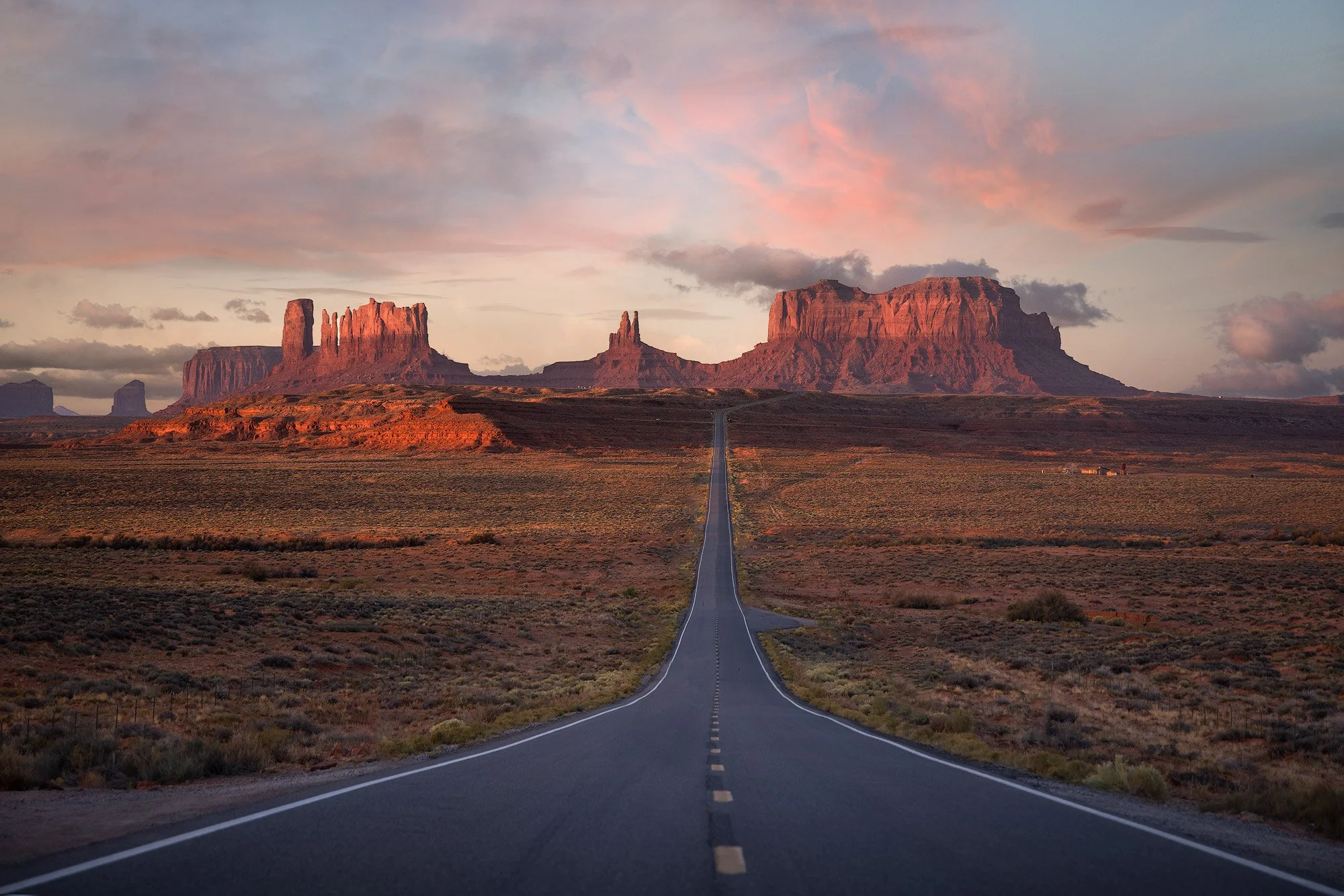
Iconic highway location offering the classic straight-road photo op
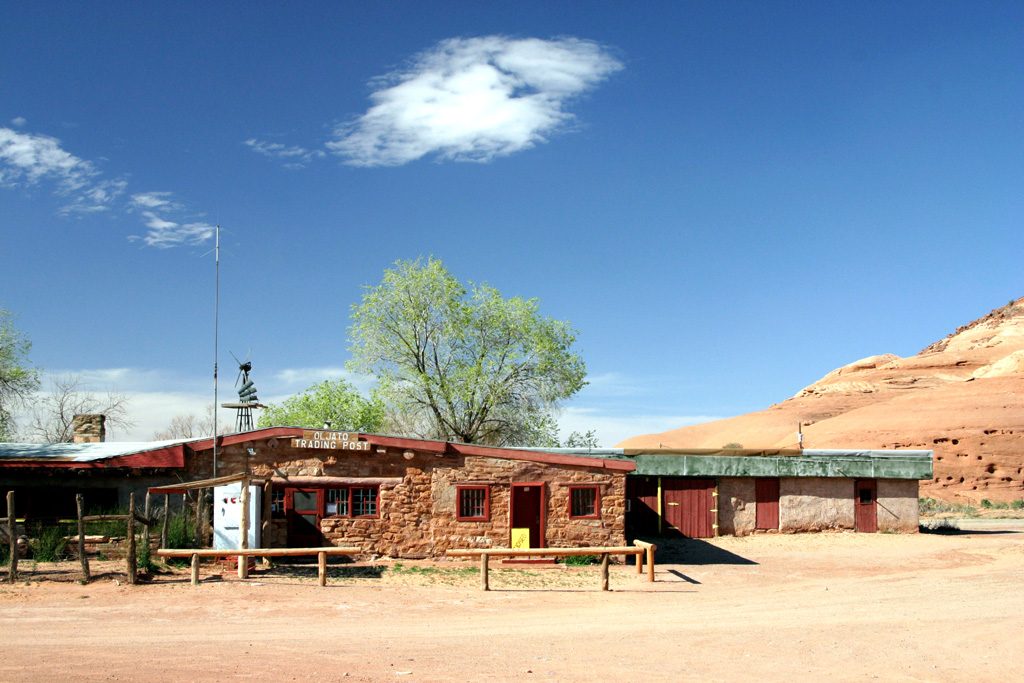
Historical site showcasing local history and artifacts
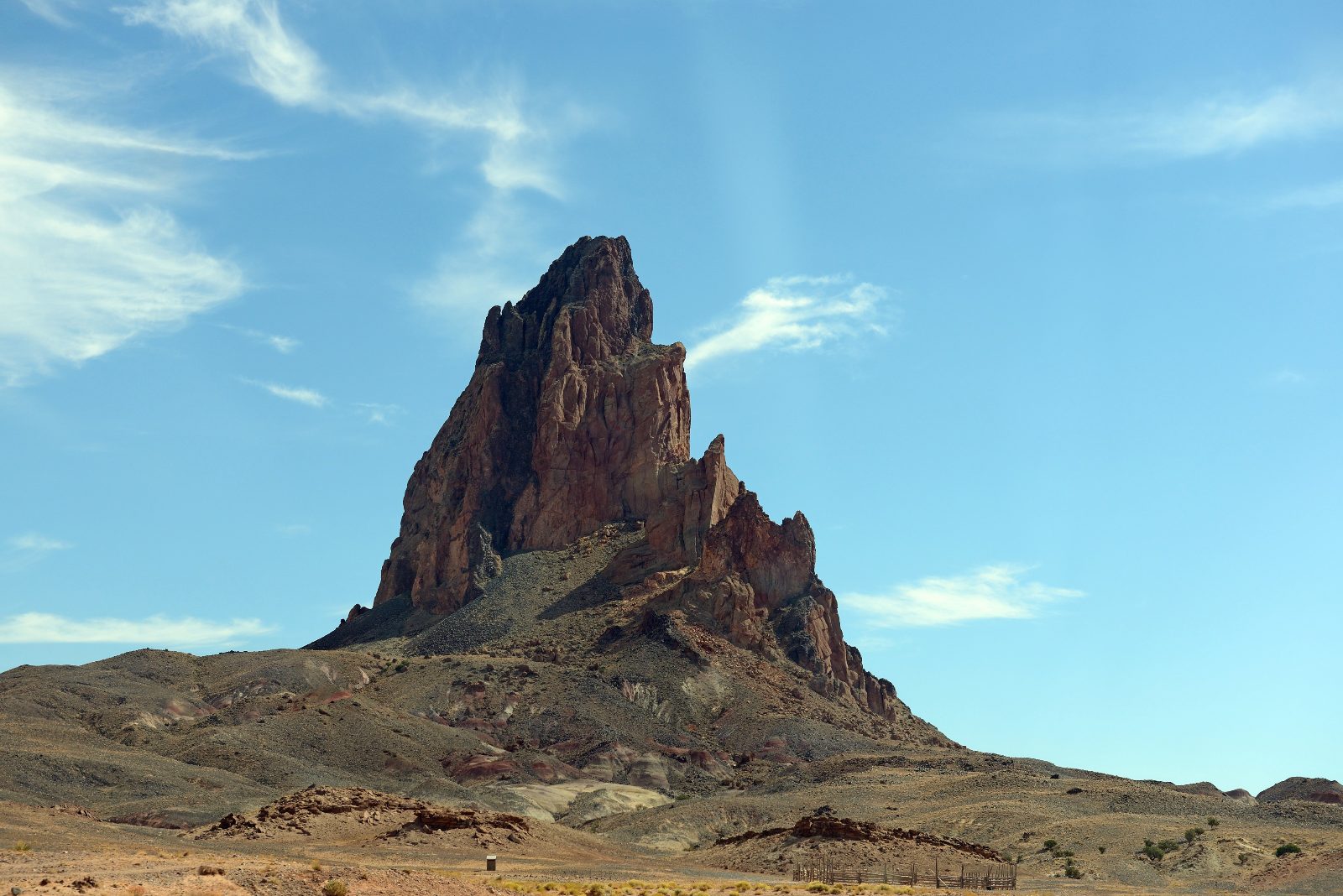
Dramatic volcanic neck towering above the desert floor
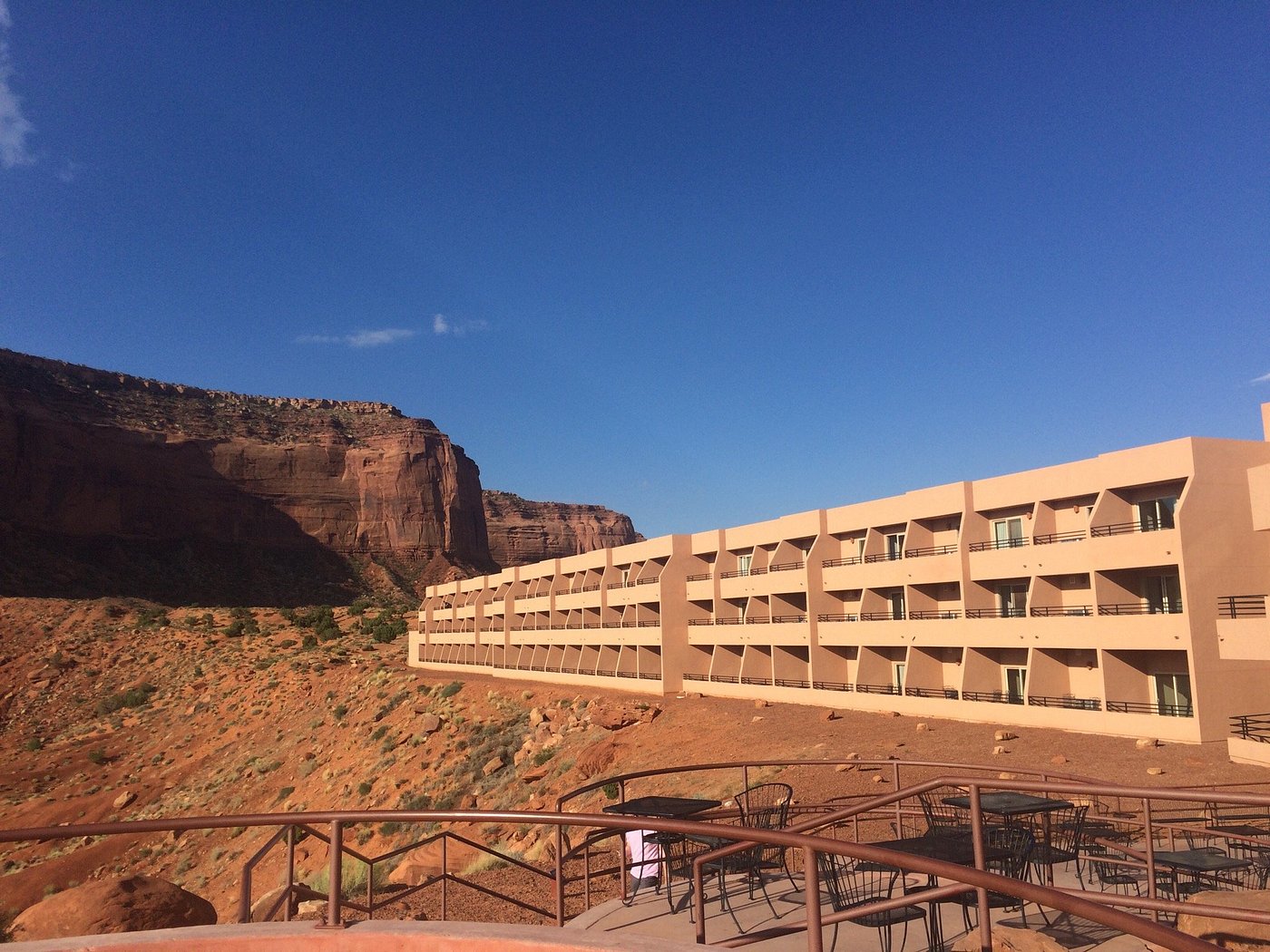
Hotel located inside the park with balcony views of the buttes
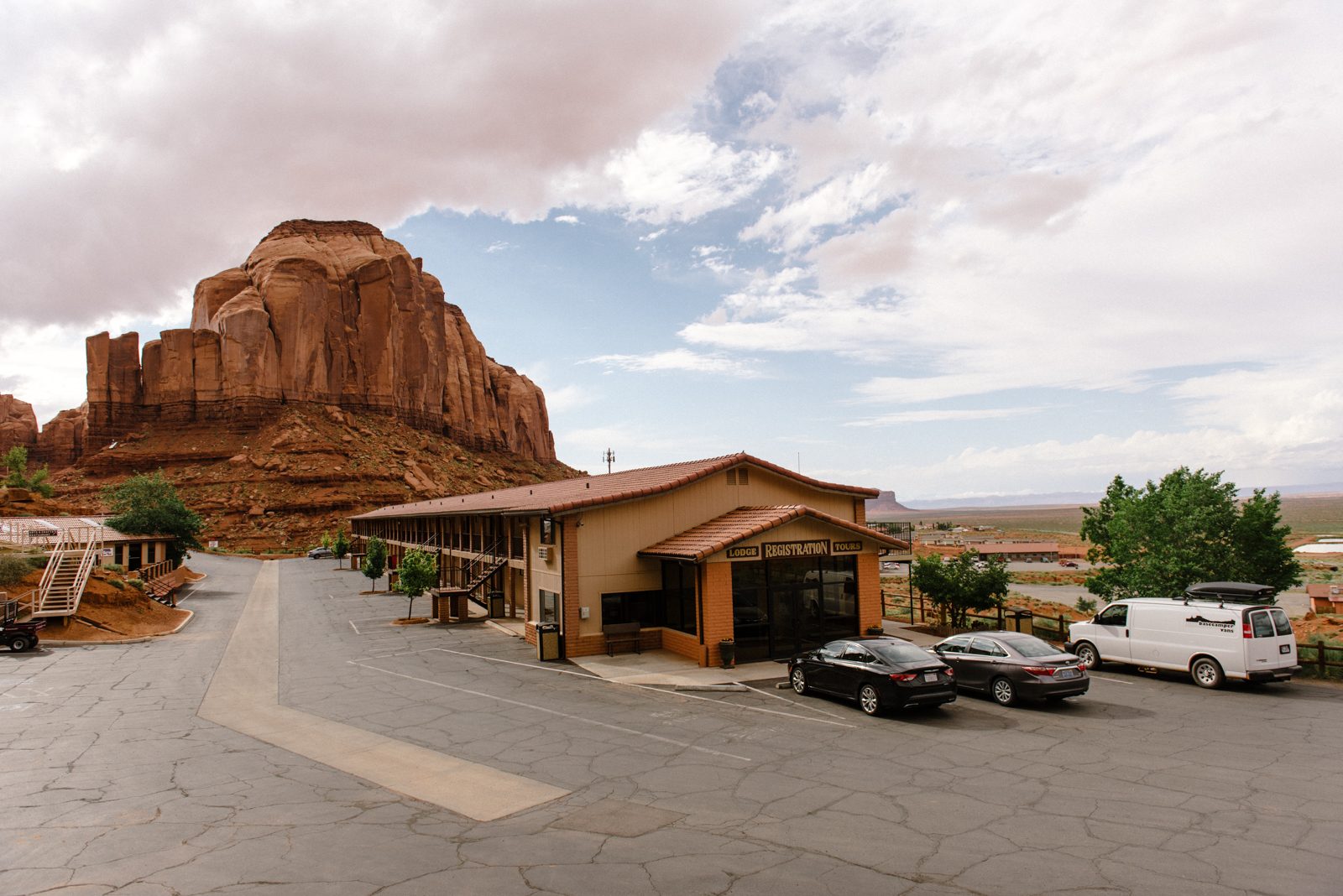
Historical lodge with museum and guided tour hub
Join thousands of happy travelers who have discovered this incredible experience
Book Your Experience Now